
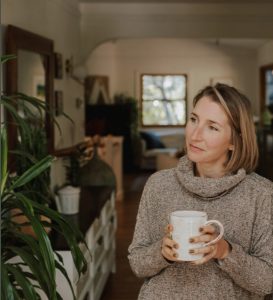
 Abbie Attwood (she/her) is an anti-diet, weight-inclusive nutritionist with a masters in clinical nutrition. She is the owner of Abbie Attwood Wellness, a business that provides both individual and group virtual nutrition therapy and body image coaching. She is also the host of the Full Plate Podcast and newsletter. Abbie’s experience with an eating disorder happened at the intersection of competitive running, neurodivergence, and several chronic illness — all of which have made her especially passionate about working with those who don’t always see themselves in the traditional picture of disordered eating. She works with clients around the globe, supporting them in healing from disordered eating, chronic dieting, body shame, and compulsive exercising to move into a kind and respectful relationship with their body. Abbie’s approach centers on self-compassion, social justice, and body liberation. She splits time between Maine and the Bay Area with her husband and their two quirky rescue pups. She’s a lover of breakfast, books, the ocean, and ice cream.
KEY TAKEAWAYS:
Abbie Attwood Background:-
-
- Abby's personal experience with eating disorders, including anorexia, binge eating, and compulsive exercise.
- Her late-onset struggles with disordered eating during college and how chronic illness and wellness culture contributed to her challenges.
- Transitioning from a career in health policy to becoming a clinical nutritionist focused on body liberation and social justice.
-
-
-
- The psychological and physical impacts of starvation as observed in this landmark study.
- How deprivation itself can drive disordered eating behaviors.
- The relevance of this study to modern diet culture and its misconceptions about caloric needs.
-
-
-
- The moralization of food and bodies in society.
- How diet culture infiltrates sports, wellness communities, and chronic illness management.
- The confusion between dieting, disordered eating, and what is genuinely healthy.
-
-
-
- The grief associated with letting go of disordered rituals despite their harm.
- The role of OCD in Abby’s struggles with food-related habits and rituals.
- How breaking habitual behaviors can feel like losing a sense of purpose or safety.
-
-
- Misunderstandings around anti-diet approaches.
- Why trusting your body is not only possible but necessary for healing.
- Reframing nutrition through compassion rather than shame.
IMPORTANT TIMECODES FROM THE EPISODE:
- 00:00 Introduction to Behind the Bite
- 01:03 Meet Abbie Attwood: Anti-Diet Nutritionist
- 03:12 Abby's Personal Journey with Eating Disorders
- 07:49 The Complexities of Disordered Eating
- 11:05 The Minnesota Starvation Study
- 13:57 The Struggle of Breaking Rituals
- 17:06 The Confusing Praise to Concern Pipeline
- 21:07 Navigating Modern Diet Culture
- 23:08 Debunking Anti-Diet Misconceptions
- 23:47 Understanding Diet Culture
- 24:57 The Misconception of Anti-Diet and Nutrition
- 27:38 Challenging Food Labels and Moralization
- 37:10 Reclaiming Trust in Our Bodies
- 43:10 Personal Stories and Final Thoughts
- 45:27 Where to Find More Content
HOW TO CONNECT WITH ABBIE TO LEARN MORE:
- Website: https://www.abbieattwoodwellness.com/
- Instagram: https://www.instagram.com/abbieattwoodwellness/
- Newsletter: https://www.abbieattwoodwellness.com/newsletter
- Podcast: https://podcasts.apple.com/us/podcast/the-full-plate-podcast-with-abbie-attwood-ms/id1607751212
THANK YOU FOR LISTENING!
Thank you for tuning in to Behind the Bite! If you found this episode helpful, please share it with others who might benefit. Don't forget to subscribe and leave a review.Until next time, remember, we're here to break down barriers, challenge stigma, and support each other on the path to a better life.
Part of the Los Angeles Tribune Podcast Network, produced by the Tweaky Tales.
**Disclaimer:**
This podcast is designed to provide accurate and authoritative information regarding the subject matter covered. It is given with the understanding that neither the host, the publisher, nor the guests are rendering legal, clinical, or other professional information. If you want or need a professional, you should find one to work with who can address your individual needs and situation.
Comments