
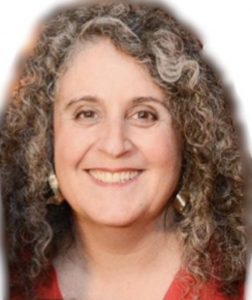
Seattle author Alle C. Hall (AL-lee) is a sought-after speaker and writing instructor, an abuse survivor known for her profound and compassionate insights on the joys, challenges, and successes that come from harnessing the creativity that heals trauma. A veteran essayist and short-story contributor to Dale Peck’s Evergreen Review, Tupelo Quarterly, and The Seattle Times, Alle’s debut novel — As Far as Y ou Can Go Before You Have to Come Back — was a 30-year labor of love drawn from her own experience. The gripping, ultimately uplifting tale of an incest survivor who journeys across Asia and finds healing through Tai chi — earned16 honors, including #1 Kindle rankings (Literary Fiction and Coming-of-Age), as well as a nomination for The Pacific Northwest Booksellers Annual Book Award. Praised for its psychological insight, the book is featured in staff libraries at leading treatment centers such as The Meadows, as well as by The Harborview Abuse and Trauma Center. National Book Award judge Jamie Ford called Alle’s book, “A rare novel. An outstanding debut.”
KEY TOPICS DISCUSSED:
- How childhood trauma physically impacts the brain and how creativity can bypass the "trauma block."
- The experience of navigating 12-step programs (OA) in a foreign culture and finding a higher power that isn't rooted in patriarchy.
- Why eating disorder recovery is non-linear and how to handle relapse during hormonal shifts like pregnancy and menopause.
- The challenge of "abstinence" in eating disorder recovery compared to alcoholism.
- How to parent effectively and break the cycle of abuse while healing from your own history.
KEY TAKEAWAYS:
- The Hippocampus & Creativity: Alle explains how trauma memories can suppress creativity in the brain, and how engaging in artistic expression (like dance or writing) can be a mechanism to access the self that exists beneath the trauma.
- Circular Spirituality: How moving away from a linear, patriarchal view of God toward the circular energy of Tai Chi helped Alle make sense of a "Higher Power" in recovery.
- The "Alcohol in the House" Analogy: A discussion on why society understands an alcoholic avoiding a bar, but struggles to understand why someone with an eating disorder cannot simply "have just one" of a trigger food or keep it in the house.
- Non-Linear Healing: The vital reminder that relapse—especially during biological shifts like postpartum or menopause—is not a failure, but often a signal that new layers of trauma are ready to be healed.
IMPORTANT TIMECODES FROM THIS EPISODE:
- [04:20] Alle shares her early recovery journey starting in Japan.
- [05:10] Finding spirituality through Tai Chi and the Yin Yang symbol.
- [06:30] Discussing the roots of childhood trauma and self-hatred.
- [10:00] The neuroscience of trauma: How abuse sits on top of creativity in the hippocampus.
- [12:40] Alle’s experience with Overeaters Anonymous (OA) and the 12 Steps.
- [17:00] The debate on restrictive food plans versus intuitive eating in recovery.
- [20:20] Returning to treatment later in life: Postpartum depression and perimenopause.
- [24:20] The fears and realities of parenting after surviving childhood abuse.
- [28:00] The meaning behind the book title: As Far as You Can Go Before You Have to Come Back.
- [30:40] Alle’s final message on living life fully.
CONNECT WITH ALLE:
- Website: https://allehall.wordpress.com
THANK YOU FOR LISTENING!
Thank you for tuning in to Behind the Bite! If you found this episode helpful, please share it with others who might benefit. Don't forget to subscribe and leave a review.Until next time, remember, we're here to break down barriers, challenge stigma, and support each other on the path to a better life.
Part of the Los Angeles Tribune Podcast Network, produced by the Tweaky Tales.
**Disclaimer:**
The content of this podcast episode is for informational and educational purposes only and is not intended to replace professional medical advice, diagnosis, or treatment. The views and experiences shared by guests are their own and do not necessarily reflect those of the host or affiliated organizations. If you have any medical or mental health concerns, please consult a qualified healthcare provider. Listener discretion is advised, especially for those sensitive to topics related to body image, weight stigma, and eating disorders.
Comments