
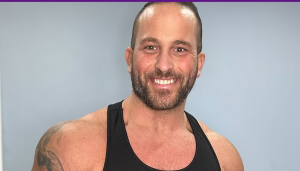
 James and his wife opened up zero shortcuts training and 2020 when they were furloughed from in-person training jobs. They have been training since he was 16 years old, going to different people’s house with a bosu ball and bands. He has a degree in exercise science plus countless certifications and truly loves what he does and showing people how to do this sustainably. James come from a background of disordered eating so he is very passionate about fighting against diet culture.
KEY TOPICS DISCUSSED:
- Why "looking the part" in fitness often masks deep insecurity and unhealthy behaviors.
- James's personal battle with exercise bulimia, chewing and spitting, and body dysmorphia.
- The crucial difference between training for aesthetics versus training for function and quality of life.
- How to identify if your fitness routine is driven by self-loathing or self-care.
- The double standards in the industry: why we praise dangerous behaviors in thin/muscular influencers (like Liver King) while shaming larger bodies.
KEY TAKEAWAYS:
- The Aesthetic Fallacy: James explains that having a socially acceptable "fit" body does not equate to health. He shares how he was at his most miserable and self-destructive when he was at his leanest.
- Exercise Bulimia: A candid discussion on a form of purging that is often praised as "dedication" in men—using excessive exercise to compensate for food intake.
- Intrinsic vs. Extrinsic Motivation: The shift from working out to gain validation or avoid bullying (extrinsic) to working out to improve sleep, mood, and capability (intrinsic).
- The "Fat Shame" Double Standard: James calls out the hypocrisy of the wellness industry, noting how influencers abusing steroids or starving themselves are idolized, while people in larger bodies are harassed about their health regardless of their actual metabolic status.
IMPORTANT TIMECODES FROM THIS EPISODE:
- 00:00 Introduction: The Double Standards in Fitness Culture
- 00:37 Welcome to Behind the Bite
- 01:35 Today's Topic: Movement, Strength, and Health
- 01:59 Guest Introduction: James Coppola
- 03:48 James Coppola's Personal Journey
- 06:55 Struggles with Body Image and Disordered Eating
- 07:54 Turning Point and Recovery
- 09:21 Redefining Fitness and Health
- 10:56 Combating Toxic Fitness Standards
- 13:06 Mindset and Sustainable Fitness Goals
- 15:03 Addressing Social Media and Body Positivity
- 31:01 Final Thoughts and Contact Information
CONNECT WITH JAMES COPPOLA:
- Website: https://www.zeroshortcutstraining.com/
- Instagram: https://www.instagram.com/james_cappola/
- TikTok: https://www.tiktok.com/@j_cappola_fitcoach
THANK YOU FOR LISTENING!
Thank you for tuning in to Behind the Bite! If you found this episode helpful, please share it with others who might benefit. Don't forget to subscribe and leave a review.Until next time, remember, we're here to break down barriers, challenge stigma, and support each other on the path to a better life.
Part of the Los Angeles Tribune Podcast Network, produced by the Tweaky Tales.
**Disclaimer:**
The content of this podcast episode is for informational and educational purposes only and is not intended to replace professional medical advice, diagnosis, or treatment. The views and experiences shared by guests are their own and do not necessarily reflect those of the host or affiliated organizations. If you have any medical or mental health concerns, please consult a qualified healthcare provider. Listener discretion is advised, especially for those sensitive to topics related to body image, weight stigma, and eating disorders.
Comments