

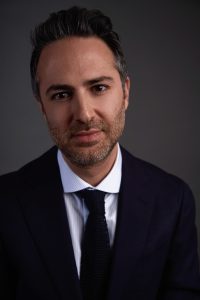
Dr. Peyman Tashkandi is a double board-certified
psychiatrist in Adult Psychiatry and Child & Adolescent Psychiatry, based in Beverly Hills, CA. He specializes in comprehensive psychiatric evaluation and thoughtful medication management for children, adolescents, and adults. His approach integrates modern neuroscience with psychodynamic and developmental perspectives, emphasizing precision, safety, and individualized care. Dr.Tashkandi's clinical interests include identity formation, emotional regulation, and the long-term impact of early life experiences on mental health. Through his clinical work, writing, and public conversations, he aims to bring clarity and nuance to complex topics in psychiatry while keeping treatment deeply human.
KEY TOPICS DISCUSSED:
- The three categories of patients and how psychiatrists decide when medication is actually necessary.
- The difference between "complicated" and "complex" systems in the context of human mental health.
- Why "normal" lab results can be dangerously misleading in patients with eating disorders.
- The critical relationship between medication and therapy—and why medication is only meant to "soften the physiology."
- Nuanced insights into the fear of medication-induced weight gain and how stimulants are managed alongside eating disorders.
KEY TAKEAWAYS:
- The Biosocial Model: Dr. Tashkandi explains that mental health is a complex system involving biology (genetics), psychology (the mind/beliefs), and sociology (environment/culture). Treatment must address all three to be effective.
- Neuroplasticity: The brain’s ability to adapt and change is highest during development. Dr. Tashkandi emphasizes that early treatment allows children to learn coping skills while their brains are most "sponge-like."
- Medical Complications of EDs: Eating disorders, specifically Anorexia, have the highest mortality rates in psychiatry. Dr. Tashkandi discusses the physical dangers to the heart, intestines, and electrolytes.
- Insight and Compliance: A significant barrier in treating eating disorders is a lack of "insight"—when the patient does not perceive the severity of their condition—which requires a specialized, multi-disciplinary team approach.
IMPORTANT TIMECODES FROM THIS EPISODE:
- [00:00] Why psychiatry is the most "invasive" field of medicine.
- [03:00] Dr. Tashkandi’s professional journey from sociology to private practice.
- [07:50] Addressing parental fears: Medication, safety, and brain development.
- [12:10] The likelihood of recurrent depressive episodes and long-term medication use.
- [14:20] Complex vs. Complicated systems: Understanding the biosocial model.
- [19:40] Medication vs. Therapy: Why meds only solve part of the puzzle.
- [23:45] The high medical risks and mortality rates associated with Anorexia Nervosa.
- [29:08] The "Snapshot Approach": Why normal labs don't always mean a patient is safe.
- [36:48] Managing ADHD and stimulants when an eating disorder is present.
- [42:20] Debunking myths about psychiatric medication and weight gain.
CONNECT WITH Dr. PEYMAN:
- Instagram: https://www.instagram.com/drpeymantashkandi/
- Website: www.drtashkandi.com
THANK YOU FOR LISTENING!
Thank you for tuning in to Behind the Bite! If you found this episode helpful, please share it with others who might benefit. Don't forget to subscribe and leave a review.Until next time, remember, we're here to break down barriers, challenge stigma, and support each other on the path to a better life.
Part of the Los Angeles Tribune Podcast Network, produced by the Tweaky Tales.
**Disclaimer:**
The content of this podcast episode is for informational and educational purposes only and is not intended to replace professional medical advice, diagnosis, or treatment. The views and experiences shared by guests are their own and do not necessarily reflect those of the host or affiliated organizations. If you have any medical or mental health concerns, please consult a qualified healthcare provider. Listener discretion is advised, especially for those sensitive to topics related to body image, weight stigma, and eating disorders.
Comments